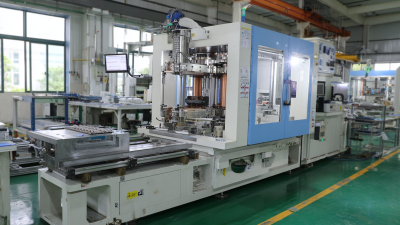
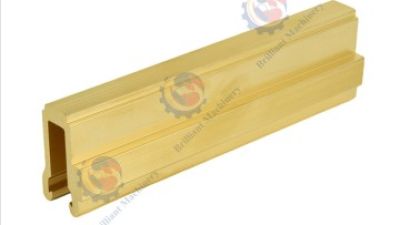
In today's constantly changing world of manufacturing, picking the right materials can really make or break the quality of your products and how smoothly everything runs. One standout option that's been gaining a lot of attention is CNC Machined Copper extrusions. These are known for their incredible electrical conductivity, resistance to corrosion, and flexibility, so it’s no surprise they’re popular across industries—from electronics to automotive. Thanks to CNC machining, we can get super detailed designs with tight tolerances, which is a big deal when you need performance and reliability you can count on.
Using CNC Machined Copper Extrusions lets manufacturers tap into copper’s unique perks, while also taking advantage of advanced machining tech. This combo doesn't just boost how well the product works—it also allows for creating complex shapes that would be really tough or nearly impossible to pull off with old-school methods. As industries push for more innovation and efficiency, these copper extrusions stand out as a practical solution, helping businesses stay competitive and ahead of the game. Honestly, they’re pretty much becoming a go-to for companies looking to improve their manufacturing without sacrificing quality or performance.
Understanding CNC Machining and Its Applications
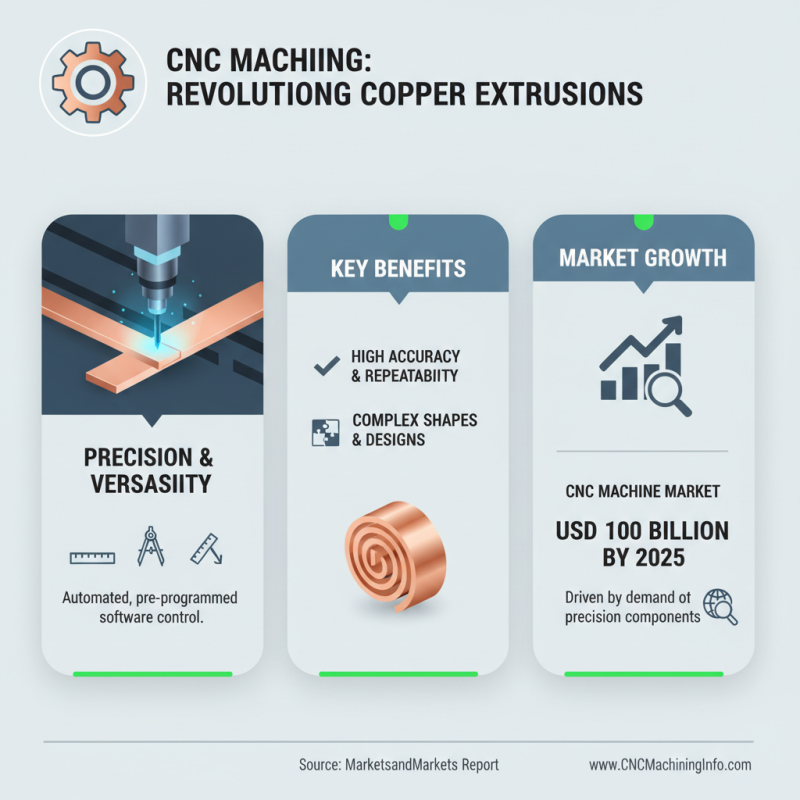
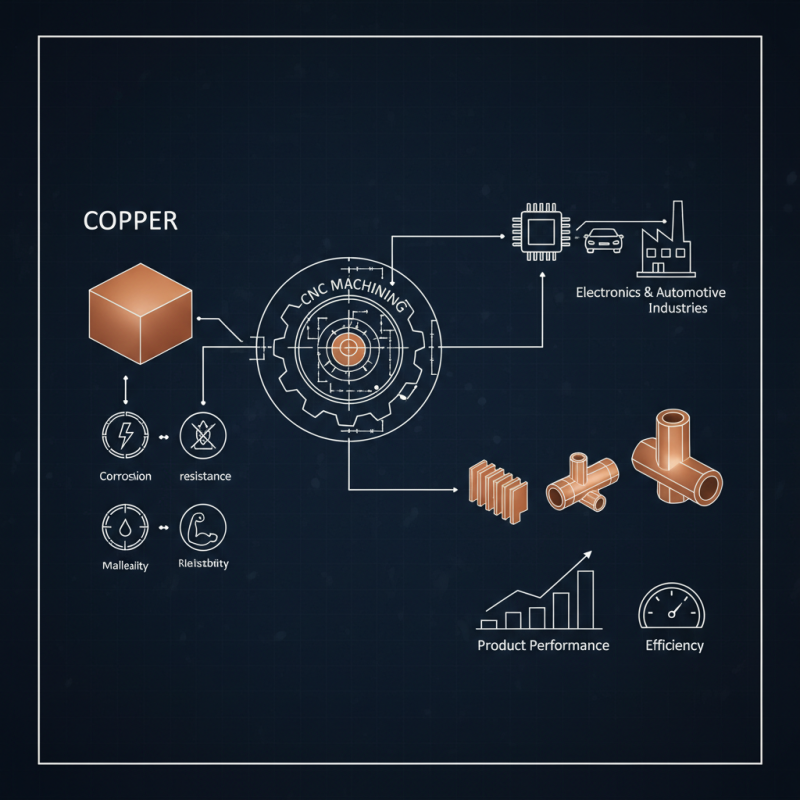
CNC machining has revolutionized the manufacturing process, especially in the production of copper extrusions, thanks to its precision and versatility. Computer Numerical Control (CNC) machining utilizes pre-programmed computer software to control the movement of machinery and tools, leading to highly accurate and repeatable production outcomes. According to a report by MarketsandMarkets, the CNC machine market is expected to reach USD 100 billion by 2025, driven largely by the rising demand for precision-engineered components across various industries.
The application of CNC machining in creating copper extrusions enables manufacturers to achieve intricate designs and specifications that are often challenging or impossible to accomplish with traditional methods. CNC technology allows for the efficient processing of copper, which is favored for its thermal and electrical conductivity. A study from the International Copper Association highlights that approximately 80% of the world's total copper use is in electrical applications, emphasizing the integral role of CNC machined copper components in sectors like electronics and automotive manufacturing. As industries continuously seek to optimize efficiency while maintaining high standards of quality, CNC machined copper extrusions present a compelling solution that meets these evolving manufacturing needs.
Benefits of Using Copper in Manufacturing Processes
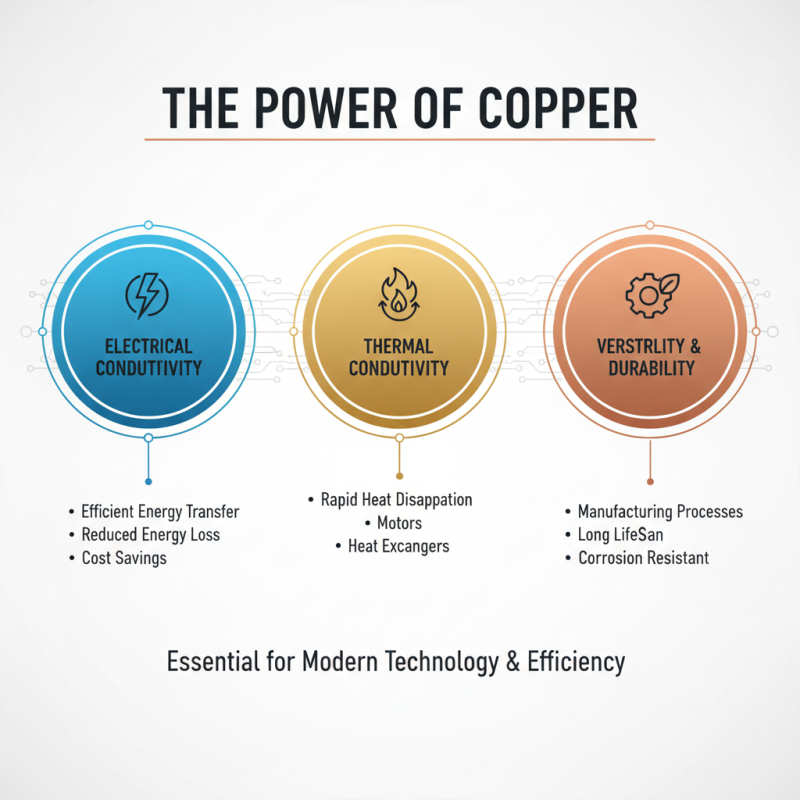
Copper has long been recognized for its exceptional properties, making it a premier choice in various manufacturing processes. One of the most significant benefits of using copper is its superior Electrical conductivity, which is essential for components that require efficient energy transfer, such as wiring and electronic devices. This characteristic not only enhances performance but also helps in reducing energy losses, ultimately leading to cost savings in the long run. Additionally, copper's thermal conductivity is remarkable, allowing for quick heat dissipation, which is crucial in applications involving motors and heat exchangers.
Another advantage of copper is its inherent antimicrobial properties, which make it an ideal material for environments that demand hygiene, such as medical devices and food processing equipment. Copper can inhibit the growth of bacteria and other pathogens, contributing to safer manufacturing practices. Furthermore, the durability and corrosion resistance of copper extrusions ensure long-lasting performance, reducing the need for frequent replacements and maintenance. Its versatility in machining and forming into various shapes also allows manufacturers to tailor components to specific requirements, making copper an excellent choice for custom solutions in diverse industries.
Key Advantages of CNC Machined Copper Extrusions
CNC machined copper extrusions offer a plethora of advantages for various manufacturing applications, primarily due to their superior conductivity and precision. According to a report by the International Copper Association, copper is an essential material with the highest electrical conductivity among non-precious metals, making it ideal for electrical components and equipment. Its use in CNC machining allows manufacturers to create intricate and high-quality parts that meet strict specifications, ensuring optimal performance in end products.
The precision of CNC machining significantly minimizes waste, improving efficiency in production processes. A study by Market Research Future found that the global CNC machining market is projected to reach USD 100 billion by 2025, with a compound annual growth rate (CAGR) of 6% from 2019 to 2025. This growth highlights the increasing demand for precision-engineered components, where CNC machined copper extrusions stand out. Additionally, the ability to work with complex geometries enables manufacturers to innovate and produce unique designs, further streamlining their manufacturing needs while adhering to quality standards. These attributes collectively position CNC machined copper extrusions as a preferred choice in manufacturing sectors ranging from electronics to automotive.
Key Advantages of CNC Machined Copper Extrusions
Comparing CNC Machined and Traditional Copper Fabrication Methods
CNC machining and traditional copper fabrication methods each have unique advantages and limitations that cater to different manufacturing needs. CNC machining, known for its precision and versatility, allows for complex geometries that are often difficult to achieve with traditional methods such as casting or manual machining. According to a report by Grand View Research, the global CNC machining market size was valued at over $60 billion in 2020 and is expected to grow at a CAGR of 6.5% from 2021 to 2028. This growth underscores the increasing reliance on CNC technology in various manufacturing sectors, including copper extrusion.
Traditional copper fabrication methods, while effective for simpler designs, often involve labor-intensive processes that can lead to inconsistencies in quality. For instance, studies have shown that manual machining can result in production variances of up to 20%. On the other hand, CNC machining reduces human error and enhances repeatability, achieving tolerances as tight as ±0.005 mm, which is critical for applications requiring high precision. Moreover, CNC machining can also reduce waste material significantly; estimates suggest it can save up to 70% more raw material compared to traditional methods by optimizing the cutting process.
Furthermore, the ability of CNC machined copper extrusions to be quickly prototyped and adjusted minimizes lead times. Industry data indicates that companies utilizing CNC technology can reduce time-to-market by up to 40%. As industries increasingly demand optimal performance and rapid turnaround, the preference for CNC machined copper extrusions is becoming clear, offering manufacturers a strategic advantage in a competitive landscape.
Cost Efficiency and Sustainability of CNC Machined Copper
CNC machined copper extrusions offer significant cost efficiency for manufacturers by streamlining the production process. The precision machining technique minimizes material waste, as it allows for more accurate cuts and shapes, ensuring that every piece of copper is utilized effectively. This reduction in scrap material translates directly into lower production costs, providing manufacturers with a competitive edge. Moreover, CNC machining's automation reduces labor costs and enhances productivity, enabling faster turnaround times without compromising on quality.
In addition to cost savings, CNC machined copper extrusions are also a sustainable manufacturing choice. Copper itself is a highly recyclable material, and its longevity means components can be reused rather than discarded. By employing CNC machining, manufacturers can create efficient designs that require less energy and raw material, further minimizing their environmental impact. The ability to produce high-quality parts with precision leads to less frequent replacements, which supports sustainability goals. Overall, the combination of cost efficiency and a focus on sustainable practices makes CNC machined copper an ideal choice for modern manufacturing needs.
Why Choose CNC Machined Copper Extrusions for Your Manufacturing Needs? - Cost Efficiency and Sustainability of CNC Machined Copper
| Dimension | Traditional Methods Cost ($/unit) | CNC Machined Cost ($/unit) | Material Waste (%) | Production Time (hours) | Sustainability Rating |
| 100 x 50 x 30 mm | 3.00 | 2.50 | 20% | 5 | High |
| 150 x 75 x 50 mm | 4.00 | 3.20 | 18% | 6 | Medium |
| 200 x 100 x 60 mm | 5.50 | 4.50 | 15% | 8 | Very High |
| 250 x 125 x 70 mm | 7.00 | 5.80 | 10% | 10 | Very High |
Common Industries Utilizing CNC Machined Copper Extrusions
CNC machined copper extrusions are essential in various industries due to their superior conductivity, durability, and machinability. One of the primary sectors that heavily relies on these components is the electrical and electronics industry. According to a report by Research and Markets, the global market for electronic components is projected to grow to approximately $2 trillion by 2027. Within this sector, copper's excellent electrical conductivity makes it the preferred choice for connectors, switches, and circuit boards, ensuring efficient performance and reliability.
Another significant industry utilizing CNC machined copper extrusions is the automotive sector. The growing demand for electric vehicles (EVs) has accelerated the need for lightweight and efficient materials, with copper playing a crucial role due to its thermal conductivity. The International Copper Association estimated that electric vehicles contain about four times more copper than traditional vehicles, underscoring the relevance of CNC machined copper parts in optimizing energy efficiency and performance in modern automotive designs.
Additionally, in the HVAC industry, copper’s properties make it a favorite for making heat exchangers and piping systems. A recent report highlighted that the HVAC market is expected to reach $250 billion by 2026, with increasing investments in energy-efficient technologies. CNC machined copper extrusions serve as critical components in these applications, contributing to improved energy transfer and overall system effectiveness. As industries evolve with a focus on efficiency and sustainability, the reliance on CNC machined copper extrusions is set to grow significantly.
Factors to Consider When Choosing CNC Machining Services
When selecting CNC machining services for copper extrusions, several important factors should be considered to ensure optimal results. Firstly, the machining precision is critical. High-quality CNC machines can produce intricate designs and shapes with minimal tolerances, which is essential for components that require tight fitting and seamless assembly. Look for service providers who utilize advanced technology and have a proven track record of accuracy in their machining processes.
Another vital aspect is the material quality. CNC machined copper extrusions should be made from high-grade copper to ensure durability and excellent electrical conductivity. It's advisable to discuss material specifications with your machining partner to guarantee that the copper meets the necessary industry standards. Additionally, consider the provider's experience with copper specifically, as it can present unique challenges in machining due to its properties.
Tips: Don’t hesitate to ask for samples of previous work. A reputable CNC machining service should readily provide you with examples that demonstrate their expertise and the quality of their craftsmanship. Furthermore, consider establishing a clear line of communication with your service provider. This ensures that any adjustments or specific requirements you have can be addressed promptly, leading to a smoother manufacturing process. Lastly, evaluate the lead times and pricing options, as these can vary significantly between providers and may impact your project timeline and budget.
Innovative Applications of Special-shaped Copper Extrusions in the Electrical and Electronics Sector
Innovative Applications of Special-shaped Copper Extrusions in the Electrical and Electronics Sector
In the fast-evolving landscape of the electrical and electronics industries, special-shaped copper extrusions have emerged as essential components driving efficiency and performance. These extrusions are meticulously engineered to meet specialized requirements, boasting exceptional properties such as high electrical conductivity, durability, and heat resistance. According to a report from the International Copper Association, the demand for copper in electrical applications is projected to grow significantly, fueled by an increasing reliance on renewable energy sources and electric vehicles. This presents a remarkable opportunity for industries to incorporate special-shaped copper extrusions into their systems for improved energy transfer and reliability.
One of the key applications of these advanced materials is in the manufacturing of terminals and busbars. Special-shaped copper extrusions facilitate optimal energy distribution and can withstand the demanding conditions found in power transmission systems. Research conducted by MarketsandMarkets indicates that the global busbar market is expected to reach $15.4 billion by 2025, highlighting the critical role that copper extrusions will continue to play in enhancing system efficiency and safety. Furthermore, in critical components like connectors and heat sinks, the unique geometries of these extrusions ensure consistent performance while contributing to the miniaturization trends observed in modern electronic devices.
As the trend toward sustainability and energy efficiency gathers momentum, the integration of special-shaped copper extrusions will become increasingly vital. By optimizing the design and functionality of electrical systems, manufacturers can achieve higher performance standards and increased lifespan of their products. The collaboration of innovative engineering with high-performance materials like special-shaped copper extrusions ultimately paves the way for a more efficient and sustainable future in the electrical and electronics sector.
FAQS
: CNC machining, or Computer Numerical Control machining, uses pre-programmed computer software to control machinery and tools, resulting in highly accurate and repeatable production outcomes.
CNC machined copper extrusions offer superior electrical conductivity, precision, and efficiency in production processes, minimizing waste and allowing for intricate designs that meet strict specifications.
CNC machined copper is especially valuable in industries such as electronics and automotive manufacturing due to its high thermal and electrical conductivity.
CNC machining offers greater precision and versatility for complex geometries, while traditional methods may be labor-intensive and prone to inconsistencies in quality.
CNC machining can significantly reduce waste material, potentially saving up to 70% more raw material compared to traditional methods by optimizing the cutting process.
Yes, companies using CNC technology can reduce time-to-market by up to 40%, enabling quicker prototyping and adjustments.
The CNC machining market is expected to reach USD 100 billion by 2025, indicating a strong demand for precision-engineered components across various industries.
By minimizing human error and maximizing repeatability, CNC technology improves efficiency and accuracy in production, leading to higher quality end products.
Copper is favored for its high electrical conductivity and ability to be machined into intricate designs, making it ideal for manufacturing high-quality electrical components.
CNC machining can achieve tolerances as tight as ±0.005 mm, which is crucial for applications requiring high precision.
Conclusion
CNC machined copper extrusions have become a pivotal choice in modern manufacturing due to their precision and versatility. CNC machining allows for intricate designs and specifications, making it ideal for a wide range of applications. The inherent properties of copper, such as conductivity and corrosion resistance, enhance its value in various industrial processes, leading to superior performance.
The comparison between CNC machined and traditional copper fabrication methods highlights significant advantages, including improved accuracy and reduced waste, contributing to overall cost efficiency and sustainability. Many industries, from electronics to automotive, are increasingly utilizing CNC machined copper extrusions for their reliability and effectiveness. When selecting CNC machining services, it is essential to consider factors such as quality, service capabilities, and industry expertise to ensure the best outcomes for manufacturing needs.